
Tinnitus can feel overwhelming, intrusive, and exhausting. For many people, the constant ringing, buzzing, or hissing makes it hard to concentrate, sleep, or enjoy everyday life. While there is currently no universal cure for tinnitus, research shows that how the brain responds to tinnitus plays a critical role in how distressing it feels.
That’s where Oto, a cognitive behavioral therapy (CBT)–based tinnitus program, comes in.
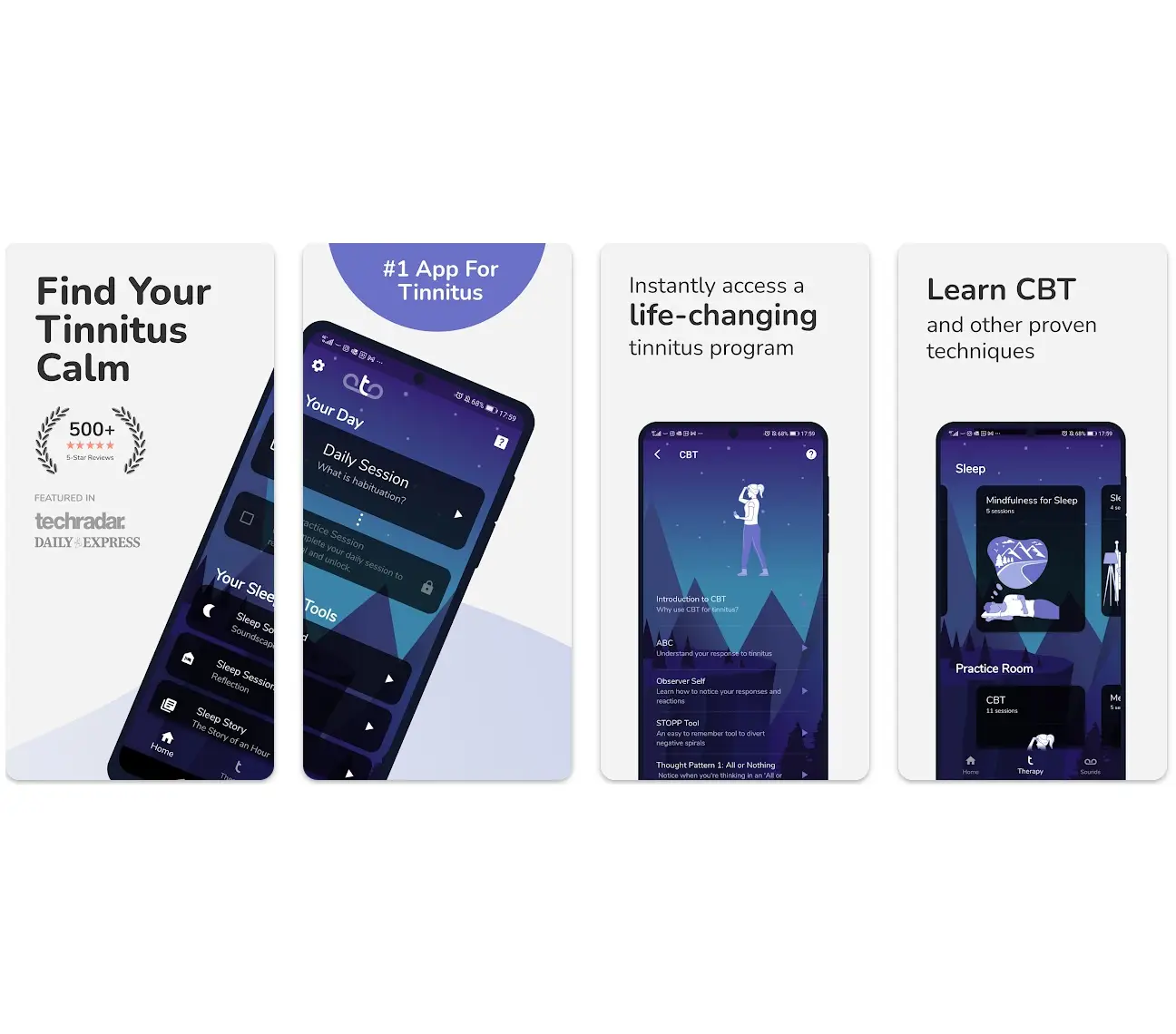
Oto is a clinically proven, app-based program designed to help people habituate to tinnitus, reducing its impact so it fades into the background of daily life rather than dominating it.
What Is Oto?
Oto is a digital tinnitus management program built around cognitive behavioral therapy (CBT), one of the most effective, research-supported approaches for tinnitus care.
Rather than trying to eliminate the sound itself, Oto focuses on changing the brain’s reaction to tinnitus. Over time, users learn to become less aware of the sound, and when they do notice it, it no longer causes distress. This process is known as habituation.
When habituation occurs:
- Tinnitus no longer feels threatening or intrusive
- Emotional reactions such as anxiety and frustration decrease
- Attention naturally shifts away from the sound
- Quality of life improves
How Cognitive Behavioral Therapy Helps with Tinnitus
Providers commonly use CBT for tinnitus because tinnitus affects both hearing and the brain’s emotional response.
Oto uses CBT to:
- Identify and challenge unhelpful thoughts about tinnitus
- Reduce fear, stress, and hyper-focus on the sound
- Teach the brain that tinnitus is not a danger signal
- Gradually retrain attention away from tinnitus
Through short, guided audio sessions (about 10 minutes per day), users learn practical techniques and exercises that help rewire how the brain processes tinnitus.
Over time, the brain stops flagging tinnitus as something important, allowing it to fade from conscious awareness.
The Goal: Tinnitus Habituation
Habituation is the natural process by which the brain learns to ignore unimportant sounds, like the hum of a refrigerator or the sound of traffic outside.
Oto teaches users how to apply this same process to tinnitus. Research shows that habituation is possible for all types of tinnitus, regardless of pitch or volume.
The Four Stages of Tinnitus Habituation
- Tinnitus feels inescapable: Concentration and sleep are difficult, and tinnitus may feel overwhelming.
- Tinnitus is noticed less during activity: Focus and sleep begin to improve, and awareness decreases when distracted.
- Tinnitus is only noticeable during stress or fatigue: The sound may still be annoying but is no longer emotionally distressing.
- Tinnitus fades into the background: Tinnitus is only noticed in very quiet settings and no longer affects daily life.
Oto is designed to guide users through these stages at a sustainable, personalized pace.
What’s Included in the Oto Program?
Oto offers more than just a single course, it provides a complete tinnitus management toolkit.
Personalized CBT-Based Program
A guided program that walks users step-by-step through tinnitus education and CBT techniques, helping them build healthier responses over time.
Tools, Exercises, and Coping Strategies
An extensive library of on-demand resources, including:
- Relaxation techniques
- Mindfulness exercises
- Thought-challenging tools
- Strategies for managing tinnitus spikes
Sound Therapy and Soundscapes
Oto includes a range of customizable background sounds, such as nature sounds, white noise, and ambient audio to:
- Reduce the contrast between tinnitus and silence
- Improve focus and relaxation
- Support sleep and habituation
Users can also access 3D-guided meditations designed specifically for tinnitus relief.
The Role of the Hearing Healthcare Provider in the Oto Program
In the United States, Oto is currently available by provider recommendation only, and that structure is intentional. While Oto is a self-guided digital program, working alongside a hearing healthcare professional adds an important layer of personalization, support, and accountability.
Why Provider Involvement Matters
Tinnitus is highly individual. Its can cause emotional impact, and relationship to hearing loss vary widely from person to person. Oto is designed to:
- Evaluating hearing health and tinnitus history
- Ruling out medical or audiological red flags
- Identifying contributing factors such as hearing loss, noise exposure, or stress
- Setting realistic expectations for habituation and progress
This clinical oversight helps patients start the program with confidence and clarity.
Accountability and Ongoing Support
One of the most valuable roles a provider plays is ongoing encouragement and accountability. Habituation takes time, and progress is often gradual. Scheduled check-ins help patients stay engaged, motivated, and consistent.
With Oto, we recommend:
- A visit with your provider before starting the program to establish goals and review expectations
- A 4-week follow-up to assess early progress, address challenges, and reinforce techniques
- A 12-week follow-up to evaluate longer-term improvements and determine next steps
These touchpoints help ensure patients are not navigating tinnitus management alone.
Combining Oto with Other Tinnitus Therapies
Clinicians do not use Oto as a replacement for professional tinnitus care; they integrate it into a comprehensive, personalized treatment plan.
Providers can integrate Oto alongside other evidence-based approaches, such as:
- Hearing aids, which may reduce tinnitus awareness by improving access to external sound
- Sound therapy options
- Counseling and education, tailored to the patient’s needs
- Lifestyle and stress-management strategies
By combining Oto’s CBT-based framework with other therapies, providers can create a more complete and individualized tinnitus management plan.
A Personalized Path to Habituation
The provider-guided model ensures that Oto remains:
- Clinically appropriate
- Personalized to each patient’s needs
- Supported by expert guidance
- Adaptable over time
Telehealth Tinnitus Care With HHH
At HHH, we offer Oto through personalized telehealth care, combining expert guidance with the convenience of virtual visits. Our providers work closely with you to determine whether Oto is the right fit, help you get started confidently, and support you as you progress through the program.
We schedule telehealth check-ins before you begin, as well as at the 4- and 12-week marks, to review progress and answer questions. This ongoing connection helps keep you engaged and supported throughout your tinnitus journey.
By delivering Oto through HHH’s telehealth services, we’re able to provide the same high level of care, accountability, and personalization as in-office visits. All while making tinnitus support more accessible, flexible, and convenient.
Designed by Tinnitus Experts, With Lived Experience
Oto was developed by an expert team of medical professionals who not only specialize in tinnitus, but many of whom experience tinnitus themselves:
- ENT surgeons and tinnitus researchers
- Military doctors with firsthand exposure to tinnitus care
- Experienced tinnitus specialist audiologists
This combination of clinical expertise as well as personal understanding shapes Oto’s practical, empathetic approach.
How to Use Oto for Best Results
Oto is designed to fit into real life.
- Use 1–2 sessions per day
- Ideal times are morning or before bed
- Sessions take about 10 minutes
- Headphones are optional but can enhance the experience
- Most programs take about 3 months to complete
- Many users continue practicing favorite sessions afterward
Habituation takes time, but consistent daily practice helps make new responses automatic.
Life Beyond Tinnitus
Oto encourages users to set small, achievable goals, such as focusing less on tinnitus during the day, enjoying time with friends, or improving sleep. By building healthier thought patterns and habits, users regain confidence and control.
As the program emphasizes:
Tinnitus does not define you. You can still enjoy life—even with the sound.
Is Oto Right for You?
Oto may be a good option if you:
- Experience persistent tinnitus
- Feel stressed, anxious, or overwhelmed by the sound
- Want a non-invasive, evidence-based approach
- Prefer guided support you can use at home
Millions of people live well with tinnitus. With appropriate tools and support, patients can achieve habituation, and Oto provides structured guidance throughout the process.
Please Note: Oto is not intended to diagnose, cure, mitigate, treat, or prevent tinnitus. Not cleared or approved by the FDA.